
Lifesten Health x Synergya | Featuring Lucy Setian, Founder of Synegia
What does scaling preventive healthcare actually look like when no single organization can build the full system alone?
This is the question Ogweno Stephen, CEO of Lifesten Health, explored in a recent conversation on the Oxford Global Healthcare Leadership Voices podcast, alongside Lucy Setian, Founder of Synergya.
At the core of the discussion was a simple but often overlooked truth: you cannot scale healthcare innovation in isolation.

Building ecosystems, not products
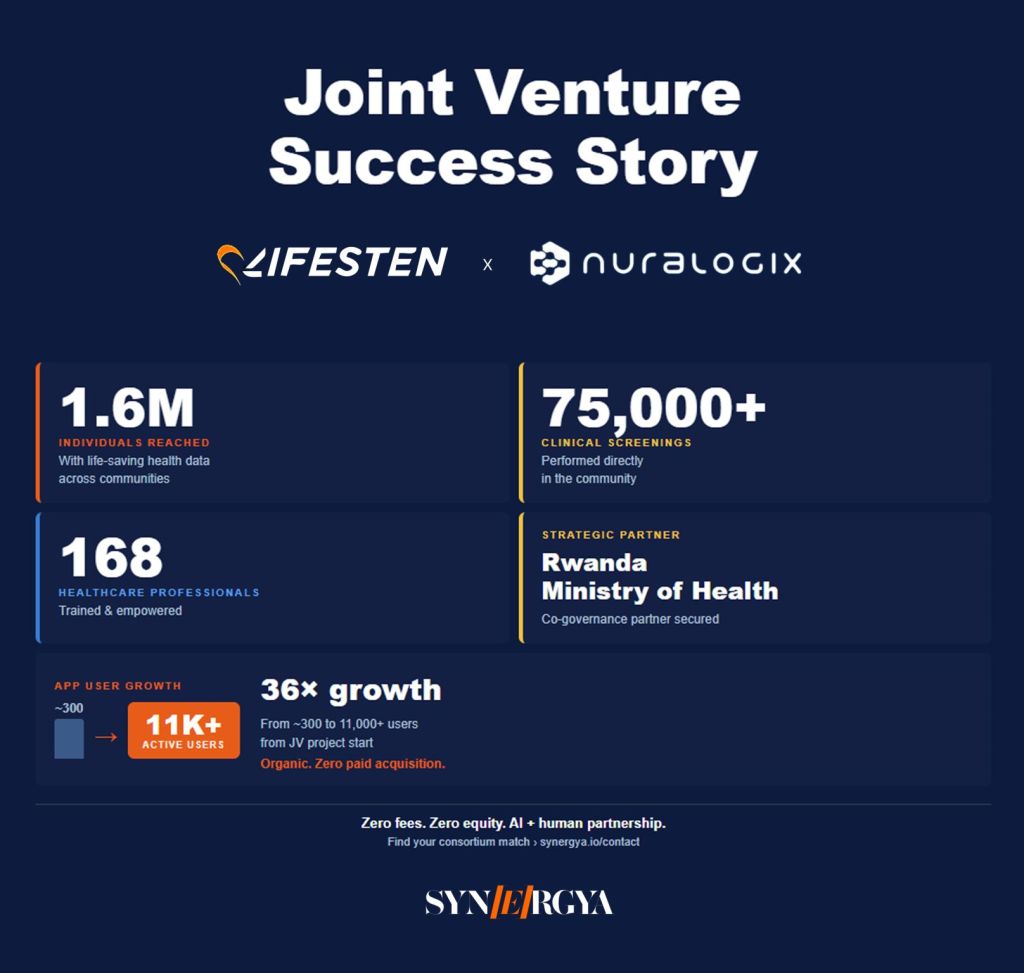
Lifesten Health began with a clear focus on preventive health, early risk detection, and behavioral change. But scaling that vision across real populations in Rwanda, Kenya, and beyond quickly revealed a constraint that most founders eventually face: no single platform can own the entire healthcare journey.
Instead of trying to build everything internally, Lifesten made a strategic shift toward ecosystem building.
Today, Lifesten works with over 84 partners across healthcare, wellness, research, and government systems. This network includes clinical institutions, fitness and nutrition providers, mental health organizations, and public health stakeholders.
The partnership with Synergya reflects this same philosophy: collaboration as infrastructure, not an afterthought.
What makes partnerships actually work
During the podcast, Ogweno highlighted a key lesson from building across multiple health systems:
Successful partnerships are not defined by complexity, but by clarity.
The strongest collaborations share three features:
- Clear and aligned outcomes from the start
- Low administrative and operational friction
- Shared ownership of long-term impact rather than short-term transactions
When these elements are missing, partnerships slow down innovation instead of accelerating it.
Visibility is not a weakness
A recurring theme in the conversation was the misconception that early-stage health innovators must protect ideas tightly to maintain advantage.
Ogweno challenged this view directly.
In practice, keeping ideas hidden often slows down growth. The right partners cannot engage if they cannot see what is being built.
For Lifesten, openness has been a growth strategy, not a risk. It has enabled better collaboration, stronger validation, and faster entry into institutional partnerships.
Partnerships as negotiation power
Another insight shared was how ecosystems change power dynamics.
As Lifesten expanded its partner network, it did not just gain reach. It gained leverage.
With every new credible partner, the ability to negotiate with larger institutions, including insurers, government systems, and research organizations, increased significantly. In preventive healthcare, trust is infrastructure.
What comes next for Lifesten and Synergya
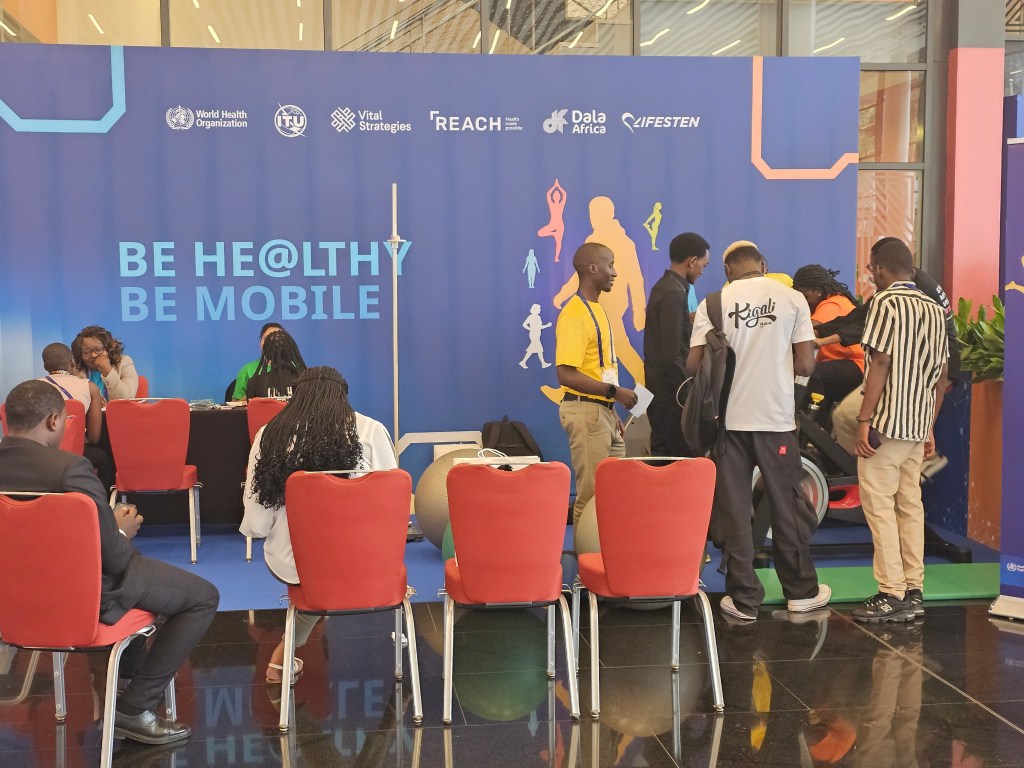
The conversation also highlighted where Lifesten is heading next with partners like Synergya.
The focus is on expanding integrated preventive health systems that combine:
- Early risk detection tools
- Behavioral health tracking
- Longitudinal health data systems
- Community driven wellness engagement
The goal is not just to build tools, but to strengthen the systems that allow prevention to work at scale.
Closing insight
If there is one takeaway from the discussion, it is this:
Scaling preventive healthcare is not about building more features. It is about building more alignment.
The future of health systems will not be defined by isolated platforms, but by connected ecosystems working toward the same outcome: earlier, better, and more accessible care.
Listen to the full conversation here:
⚡️Spotify: https://lnkd.in/dqN86jMt
⚡️YouTube: https://lnkd.in/dZfFxFCD
#PreventiveHealth #HealthTech #DigitalHealth #Partnerships #Synergya #LifestenHealth #HealthcareInnovation

