
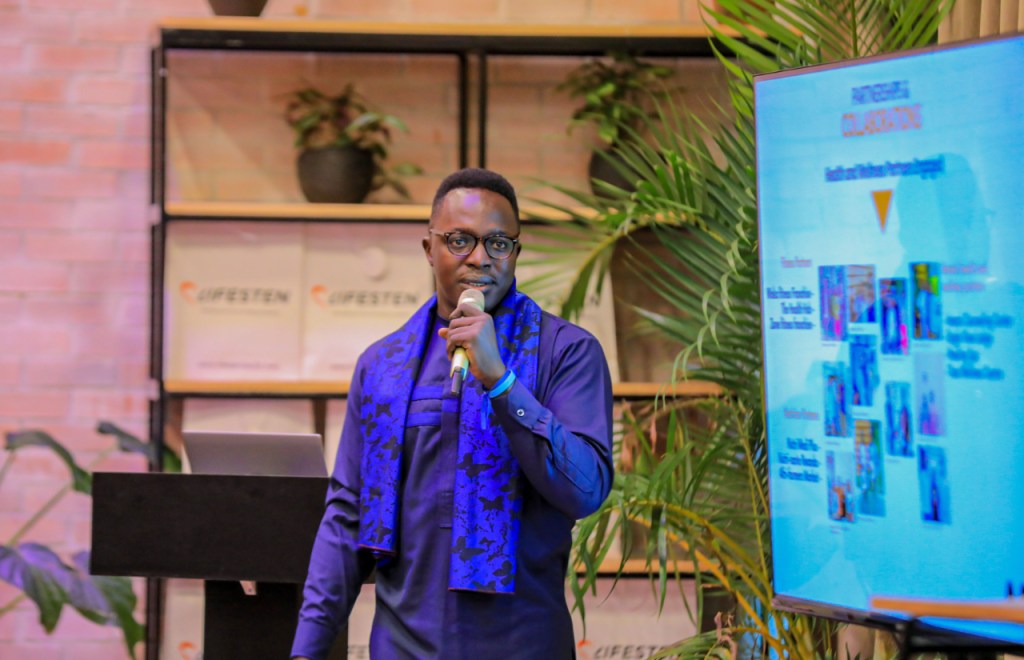
Ogweno Stephen is a dynamic public health innovator, advocate, and practitioner with a fervent commitment to combating non-communicable diseases (NCDs). With a solid educational background from Cambridge University, the University of Manchester, and Kenyatta University, where he specialized in population health and later mastered in Global Health, Ogweno has established himself as a formidable force in the public health domain. His journey has been marked by the successful founding of ventures like the Stowelink Foundation and extensive collaborations with prominent organizations such as the World Health Organization, the NCD Alliance, and the World Obesity Federation.
As someone who has personally experienced childhood obesity and acted as a caregiver for others with NCDs, Ogweno’s passion for improving health outcomes is deeply personal. This passion fueled his desire to innovate in the health sector, leading to the creation of Lifesten Health, a platform designed to leverage technology to educate individuals about NCDs and promote healthier lifestyles. Co-founded with Peace Iraguha, a powerhouse in healthcare management and nutrition operations, Lifesten Health embodies their shared vision of improving health through innovation.
Early Days with Lifesten
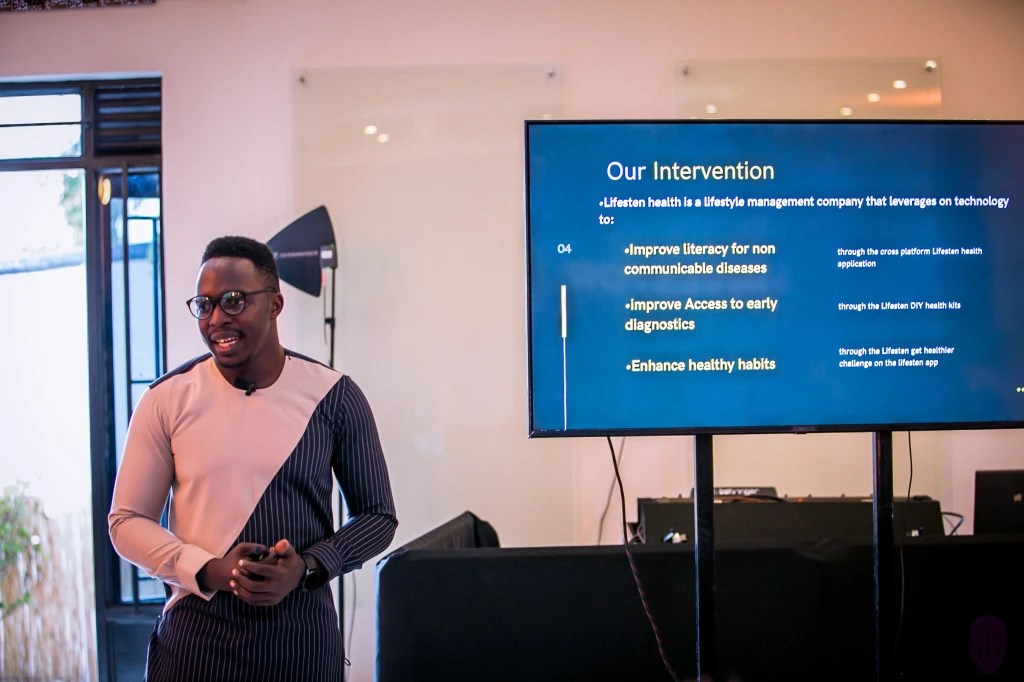
From its inception, Lifesten Health has prioritized people at the core of its operations. The journey began with numerous ideations and iterations to refine the concept and ensure it was attuned to the needs of the communities it aimed to serve. This period of development was characterized by compassion, adaptability, and a steadfast commitment to creating a solution that genuinely addressed the challenges faced by the target population.
Building Lifesten Health required constant adaptation and a deep understanding of the community’s needs. Ogweno and his co-founder Peace navigated this complex process with grace, ensuring that every decision was made with the community’s best interests in mind. Their experience in developing Lifesten was rooted in compassion and a strong desire to make a meaningful impact.
Development and Teams
As Lifesten progressed, the team moved into the development stage, experimenting with various approaches to build a robust platform. Initially, they collaborated with local tech talent, but after eight months, it became clear that the deliverables did not meet their high standards. This led to the difficult decision to part ways with the local development team and seek a more suitable solution.
Ogweno, serving as the sole technical lead, leveraged his global network to assemble a remote team of developers who could deliver a world-class platform. Despite the challenges, the unwavering support and dedication of the team made it possible to navigate these hurdles successfully. This resolve was instrumental in ensuring that Lifesten Health consistently delivered the best possible product to its users.
Setting the Culture, Vision, and Action Plans
Beyond technical development, Ogweno has been pivotal in establishing a culture of excellence, setting the vision, and creating actionable plans for Lifesten Health. He has modeled a culture of excellence through his work ethic, communication, time management, and dedication to producing the best outcomes at every stage. Peace Iraguha has complemented this by emphasizing the importance of people-centeredness and maintaining humanity, even amidst challenges.
The vision of Lifesten Health is straightforward: to make engaging in health-improving behaviors fun, engaging, and rewarding. This vision is supported by a series of short, midterm, and long-term action plans designed to achieve this goal.
Fundraising and Product Market Fit
A key aspect of Lifesten Health’s strategy has been to ensure a true product-market fit before pursuing aggressive fundraising. Ogweno established a system focused on achieving this fit by analyzing sales, usage patterns, partnerships, and involvement from key stakeholders like governments and ministries. This approach ensures that Lifesten Health addresses the real needs of the African market.
The fundraising strategy at Lifesten has been carefully planned, with a tiered approach to selecting funding sources that align with the company’s mission. Ogweno’s experience with investors has highlighted the gender disparities that exist in the system, with some investors preferring to have conversations with him rather than his co-founder. Despite these challenges, the team remains committed to their mission and carefully navigates the fundraising landscape.
Lessons Learned
After three years of running Lifesten Health, Ogweno has gathered valuable insights:
- Iterate Quickly: It’s crucial to identify a problem first and then work with the community to create a solution. Rapid iteration ensures that the solution remains relevant and effective.
- Focus on the End Goal: Once a problem is identified, the methods to solve it can vary, but it is essential to stay focused on the end goal. Avoid advice that detracts from this focus.
- Strength of Teamwork: Investing in a capable team and trusting them to do their work is vital. Avoid micromanagement and perfectionism; instead, prioritize progress and trust the experts to handle their responsibilities.
Conclusion
Ogweno Stephen’s journey with Lifesten Health is a testament to his dedication, innovation, and commitment to public health. Through his leadership, Lifesten Health has made significant strides in addressing non-communicable diseases in Africa. His story is an inspiring example of how passion, combined with expertise and compassion, can drive meaningful change in the healthcare sector. As Lifesten Health continues to grow, it remains focused on its mission to make health-improving behaviors accessible, engaging, and rewarding for all.
 Lifesten Health