
Introduction
Cardiovascular disease (CVD) is a leading cause of death worldwide, and the burden is rapidly growing in developing countries. In Rwanda, a country with a growing population and limited healthcare resources, addressing CVD is a major public health challenge. The Kigali CV project aims to increase awareness, accessibility, and early detection of cardiovascular risk factors in Kigali City, Rwanda.
Reaching Millions: Community Engagement and Education

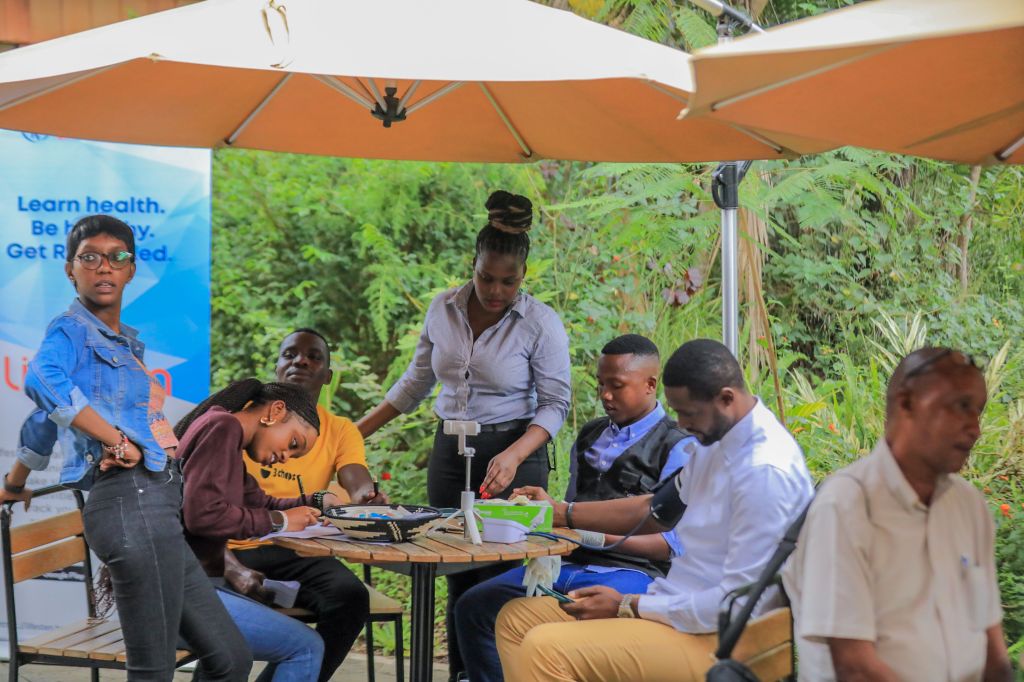
At the heart of the Kigali CV Project lies a commitment to community engagement. As the report reveals, the project has reached an astounding 1,674,641 individuals through various community events and outreach programs. These initiatives aim to educate the Rwandan population about heart health, the importance of regular screenings, and the risk factors associated with CVD.
Empowering Health Agents: Building Capacity
To enable widespread screening and support, the Kigali CV Project has identified and screened 485 health agents. Of these, a cohort of 85 agents has undergone comprehensive training. These trained agents are equipped with the knowledge and tools to conduct cardiovascular screenings within their communities, bringing preventative care to the forefront.

Partnerships and Collaboration: A Key to Success
The Kigali CV Project recognizes the power of collaboration. The report highlights that LIFESTEN has forged 16 valuable partnerships with other health and wellness stakeholders. These partnerships strengthen the project’s reach, facilitate knowledge sharing, and create a more robust healthcare ecosystem focused on preventive cardiac care.

LIFESTEN’s Tech Innovations: The Driving Force
LIFESTEN’s commitment to technological innovation is evident in the Kigali CV Project. From transdermal optical screening technology accessible through smartphones to gamified platforms, the company is making preventative health care more accessible and engaging. These advancements are key to transforming the way Rwandans understand and prioritize their cardiovascular health.

Conclusion
The progress and milestones outlined in the KIGALI CV FINAL REPORT demonstrate the immense potential of the Kigali CV Project in transforming Rwanda’s approach to cardiovascular health. Through innovative technology, community outreach, and strategic partnerships, LIFESTEN is setting a precedent for preventive care that can be replicated and scaled throughout Africa and beyond.
 Lifesten Health